Emergency Dental Care: What to Do Next
Dental emergencies can happen at any time, often when you least expect them. Whether it's a sudden toothache, a knocked-out tooth, or a broken filling, knowing how to respond can make a significant difference in the outcome. This guide will walk you through the steps to take during a dental emergency, ensuring you are prepared and informed.
Understanding Dental Emergencies
Dental emergencies can be categorized into several types, each requiring a different approach. Here are some common scenarios:
1. Toothaches
Toothaches can range from mild discomfort to severe pain. They may be caused by cavities, gum disease, or an abscess. If you experience a toothache, consider the following steps:
Rinse your mouth with warm salt water to reduce inflammation and clean the area.
Take over-the-counter pain relievers like ibuprofen or acetaminophen to alleviate pain.
Avoid certain foods that may exacerbate the pain, such as sugary or very hot/cold items.
2. Knocked-Out Tooth
If a tooth is knocked out, time is of the essence. Here’s what to do:
Handle the tooth carefully by the crown (the top part), avoiding the root.
Rinse the tooth gently with water to remove dirt. Do not scrub or remove any tissue fragments.
Try to reinsert the tooth into its socket if possible. If not, place it in a container of milk or saline solution to keep it moist.
Seek dental care immediately. The sooner you can see a dentist, the better the chances of saving the tooth.
3. Broken or Chipped Tooth
A broken or chipped tooth can be painful and may lead to further complications if not treated promptly. Here’s how to handle it:
Rinse your mouth with warm water to clean the area.
Apply a cold compress to the outside of your cheek to reduce swelling.
Visit your dentist as soon as possible for evaluation and treatment options.
When to Seek Immediate Care
Not all dental issues require immediate attention, but some situations do. Here are signs that you should seek emergency dental care:
Severe pain that does not subside with over-the-counter medication.
Swelling in your face or gums, especially if accompanied by fever.
Bleeding that does not stop after 10 minutes of applying pressure.
Injury to the jaw or face.
Preparing for a Dental Emergency
Preparation can make a significant difference in how you handle a dental emergency. Here are some steps to take:
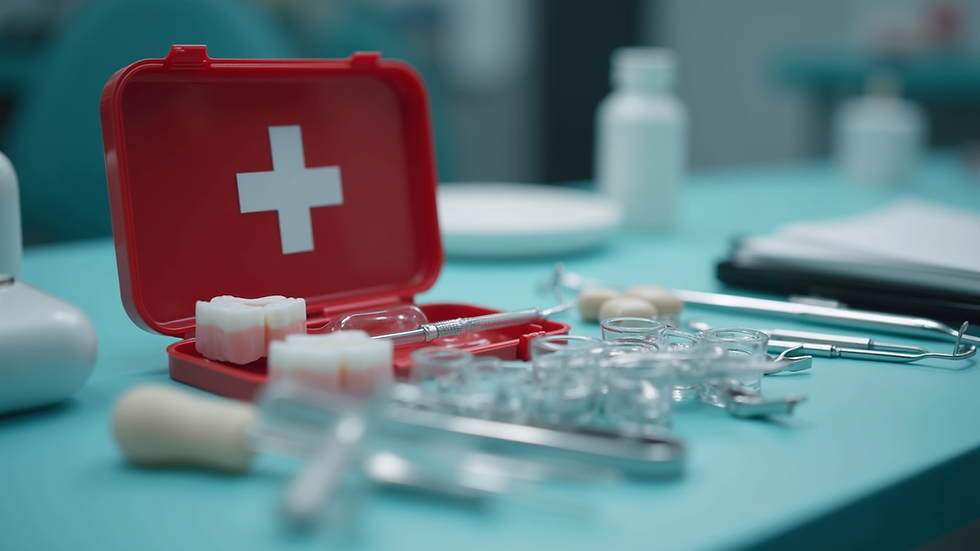
1. Create a Dental Emergency Kit
Having a dental emergency kit on hand can help you respond quickly. Consider including:
Pain relievers (ibuprofen or acetaminophen)
Salt for rinsing
Dental wax for covering sharp edges of broken teeth
A small container for storing knocked-out teeth
Contact information for your dentist and local emergency dental services
2. Know Your Dentist's Emergency Protocol
Many dental practices have specific protocols for emergencies. Familiarize yourself with your dentist’s emergency contact number and their after-hours procedures. This knowledge can save valuable time during a crisis.
3. Educate Your Family
Ensure that all family members know how to respond in case of a dental emergency. This includes understanding the steps to take for various situations and knowing where the emergency kit is located.
Common Myths About Dental Emergencies
There are several misconceptions surrounding dental emergencies. Here are a few to be aware of:
Myth 1: You Should Wait to See if the Pain Goes Away
Ignoring dental pain can lead to more severe issues. If you experience persistent pain, it’s essential to see a dentist as soon as possible.
Myth 2: All Dental Emergencies Are the Same
Each dental emergency is unique and requires a tailored response. Understanding the specifics of your situation can help you take the right steps.
Myth 3: You Can Treat Everything at Home
While some minor issues can be managed at home, many dental emergencies require professional care. Always consult with a dentist for proper treatment.
Aftercare Following a Dental Emergency
Once you have received treatment for a dental emergency, follow these aftercare tips to promote healing:
1. Follow Your Dentist's Instructions
Your dentist will provide specific aftercare instructions based on your situation. Follow these carefully to ensure proper healing.
2. Maintain Good Oral Hygiene
Continue to brush and floss regularly, but be gentle around the affected area. Keeping your mouth clean can help prevent further complications.
3. Monitor for Changes
Keep an eye on the treated area for any signs of infection or complications, such as increased pain, swelling, or fever. If you notice any concerning symptoms, contact your dentist immediately.
Conclusion
Dental emergencies can be stressful and painful, but knowing how to respond can help you manage the situation effectively. By preparing in advance and understanding the steps to take during an emergency, you can protect your oral health and minimize complications. Remember, when in doubt, always seek professional dental care. Your smile is worth it!


Comments